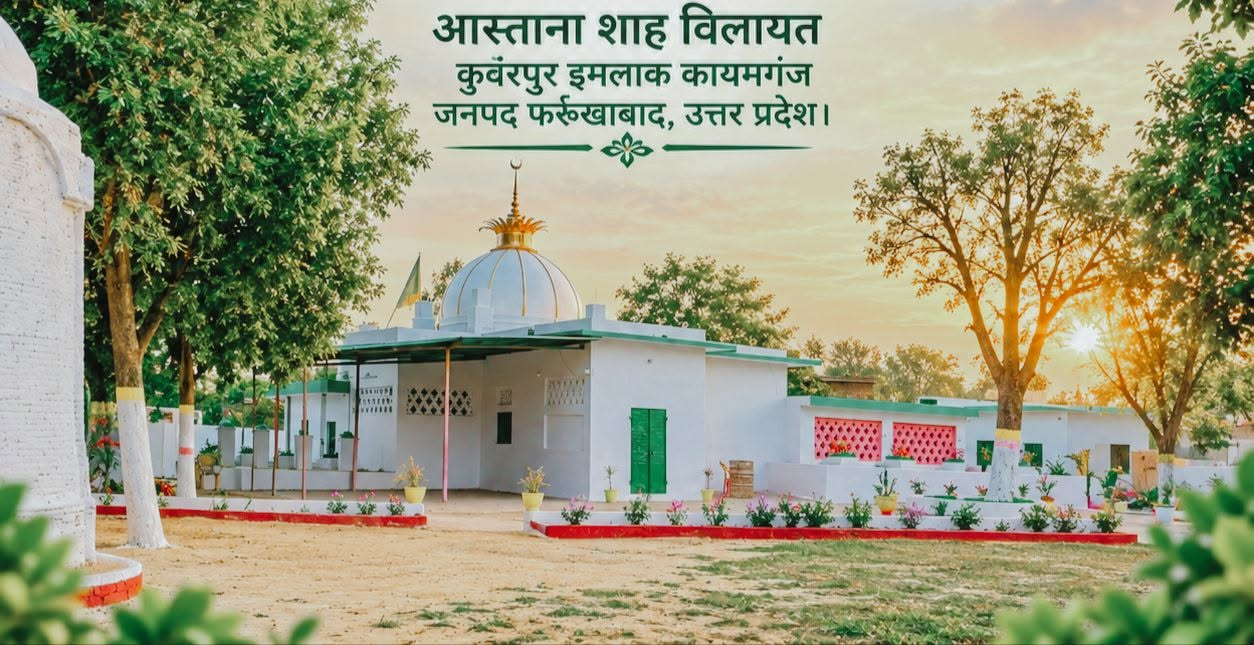
1838–1907
Discover His Legacyउत्तर प्रदेश के फर्रुखाबाद की सर-ज़मीन से विश्व भर में महकतीं आध्यात्म की खुशबू।
From the land of Farrukhabad, Uttar Pradesh — a fragrance of spirituality that reaches across the world.
यदि आपको ईश्वर की तलाश है, तो आध्यात्मवाद सीखो ताकि सत्यमार्ग पर चलकर ईश्वर के मिलन तक पहुँच सको।
If you seek the Divine, learn the path of spirituality — so that walking the true path, you may reach union with God.
Hazrat Maulana Fazl Ahmed Khan Sahib Kuddusuruh Naqshbandia, reverently known as Huzoor Maharaj, was born in 1838 in the village of Raipur Khas, Tahsil Kayamganj, District Fatehgarh, Uttar Pradesh. He passed from this world on 30 November 1907.
Huzoor Maharaj received his spiritual initiation from his guru, Hazrat Ahmed Ali Khan Sahab. His father, Shaikh Gulam Hussain, was himself a master in the Naqshbandi order under Maulana Waliuddin of Kashmir, and his mother was also initiated into Naqshbandi Sufism — he was born into a family steeped in the fragrance of divine remembrance.
By vocation, Huzoor Maharaj served as a madarsa teacher attached to a mosque, living a life of profound simplicity and asceticism. He refused offerings and would not allow disciples to touch his feet. Instead, he served those who came to him, attending to their needs with his own hands.
He taught that "religions are many but their essence is one — to gain spirituality." For Huzoor Maharaj, this was not a philosophical position but lived reality. He saw no barrier between faiths because he had arrived at the source from which all faiths spring. He spent extensive time in meditation and would quietly depart from any gathering where others criticized any religion.
Seekers of all backgrounds came to him naturally, and he shared the Naqshbandiyya spiritual practices with them just as naturally — requiring nothing of anyone except sincerity. Among his disciples was Mahatma Ram Chandra Ji (Shri Lalaji Maharaj), whom he recognized as the one fit to carry the transmission forward, and to whom he entrusted his complete spiritual legacy.
The Naqshbandiyya spiritual lineage — an unbroken chain of divine transmission stretching from the Holy Prophet Muhammad (peace be upon him) through 36 realized masters to the present day.
या इलाही अपनी अज़मत और अता के वास्ते,
नूरे ईमां दे मुहम्मद मुस्तफा के वास्ते।
The first Caliph and closest companion of the Prophet
दिल मेरा हो नूरे वहदत से मुनव्वर व वहीद,
हज़रते बूबक्र ज़ेबे अत्क़िया के वास्ते।
The Persian companion — a seeker who traversed many masters before finding the Prophet
या इलाही नफ़्से क़ाफिर से मुझे इबलीस से,
ले बचा सलमान मुर्शिद बासफ़ा के वास्ते।
Grandson of Abu Bakr Siddiq — a great scholar of Madinah
या इलाही इश्क़ से अपने मुझे कर सर बुलंद,
हज़रते क़ासिम इमामे बेरिया के वास्ते।
The truthful Imam — a fountainhead of both exoteric and esoteric knowledge
या इलाही इश्क़ की आतिश से हो सीना कबाब,
ज़ाफरे सादिक़ इमामे पेशवा के वास्ते।
Sultan al-Arifin — the king of the gnostics, Bistam, Persia (804–874 CE)
या इलाही ज़ुज़ तेरे भूलूँ मै सब दुनियाँ व दीं,
बायज़ीदे पेशवा मर्दे खुदा के वास्ते।
The saint of Kharqan, Persia — received spiritual training from Bayazid's soul
या इलाही फ़ज्ल से दे दौलतें फ़क्रो फ़ना,
बुल हसन ख्वाजा हमारे बासफ़ा के वास्ते।
The light of guidance — keeper of the spiritual chain
या इलाही ता अदब क़ायम रहे यह सिलसिला,
ख़्वाजा अबुल क़ासिम नूरूल हुदा के वास्ते।
The bridge between the Persian saints and the Khwajagan of Central Asia — Tus, Persia
या इलाही जब मैं तेरा नाम लूं तब हो हुज़ूर,
बू अली मक़्बूल दरगाहें खुदा के वास्ते।
The great master of Hamadan and Merv — teacher of the Central Asian Khwajagan
या इलाही कर हिसाब तन से मुझको पाक़ साफ़,
ख्वाजा यूसुफ कुतबे आलम बाख़ुदा के वास्ते।
Formulated the eight principles of the Khwajagan — father of silent dhikr
या इलाही इज़्ज़ते दुनियाँ व दीं होवे अता,
अब्दे ख़ालिक़ गुज्दवानी बा हया के वास्ते।
The gnostic of Rewgar — keeper of the Khwajagan flame
या इलाही कर अता ईमां कि जिसके बाद कुफ्र,
हो न हज़रत ख्वाजा आरिफ बासफ़ा के वास्ते।
Master of Faghnaw — maintained the tradition of silent remembrance
या इलाही दूर कर जिस्मी अलालत और रुहानी मेरी,
ख्वाजये महमूद मुर्शिद बाज़िया के वास्ते।
Known as Azizan — the beloved master of Ramitan
या इलाही दूर कर दुनियाँ व दीं के दर्द दुख,
हज़रते ख्वाजा अज़ीज़ां बादशाह के वास्ते।
The master who foretold the coming of Baha-ud-Din Naqshband
या इलाही शरा पर जब तक जिऊँ साबित रहूँ,
हज़रते ख्वाजा मुहम्मद बाअता के वास्ते।
The direct master of Baha-ud-Din Naqshband — a potter saint of Bukhara
या इलाही हिफ्ज़े ईमां वक़्त मुर्दन कीजिये,
हज़रते मीरे कुलाले पार्सा के वास्ते।
Founder of the Naqshbandiyya Order — Bukhara, 1318–1389
या इलाही मुझसे आमाले शनीअ: को छुपा,
शह बहाउद्दीन अक़मल बासफ़ा के वास्ते।
Son-in-law and spiritual heir of Naqshband — the perfumer saint
या इलाही मुझ पे होवे नूर वहदत आश्क़ार,
शह अलाउद्दीन मुर्शिद रहनुमा के वास्ते।
Scholar and saint of Charkh — preserved the master's teachings in writing
या इलाही दे अमांमिन कुल्लि दाइन और बला,
हज़रते याक़ूब चर्खी पुरज़िया के वास्ते।
The most influential Naqshbandi of the 15th century — Samarkand and Tashkent
या इलाही पुल पे और महशर में हो पीरों का साथ,
ख्वाजए अहरार रासुल अत्क़िया के वास्ते।
Carried the Naqshbandi teaching through the Timurid era
या इलाही जुहदो तक़्वा और मुहब्बत अपनी दे,
हज़रते ख्वाजा मुहम्मद पार्सा के वास्ते।
The dervish master — link between Central Asia and the Indian subcontinent
या इलाही सारे इस्यां और निस्यां मुआफ़ कर,
शाह दर्वेशे मुहम्मद मुर्तज़ा के वास्ते।
Master of Imkanak — the teacher of Baqi Billah
या इलाही दोस्त मेरे होंवे हरदम शादमा,
ख्वाजा इमक़िनकी मुहम्मद बादशाह के वास्ते।
Brought the Naqshbandiyya to India — Delhi, d. 1603
या इलाही तू हो बाक़ी और सबको जाऊँ भूल,
ख्वाजा अब्दुल बाक़ी मुर्शिद रहनुमा के वास्ते।
Reviver of the Second Millennium — founder of the Mujaddidiyya branch (1564–1624)
या इलाही या करीब़ कुर्ब़ कर अपना अता,
गौसुल आज़म शैख अहमद पेशवा के वास्ते।
Son and khalifa of Mujaddid Sirhindi — continued the revival
या इलाही हुब्बे पीराने तरीक़त मुझको दे,
हज़रते मासूम रासुल अत्क़िया के वास्ते।
The sword of faith — son of Muhammad Masum
या इलाही शिर्को कुफ्रो मासियत से दूर रख,
शैख़ सैफुद्दीन मुर्शिद रहनुमा के वास्ते।
The light of Badaun — a saint of extraordinary spiritual radiance
या इलाही ग़ैर का मुहताज मत कर मेरे रब,
सय्यिदे नूरे मुहम्मद मुक़्तदा के वास्ते।
The great poet-saint and martyr of Delhi (1699–1781)
या इलाही ग़ैब से रोज़ी दे ऐ रोज़ी रहा,
शम्से दीं महबूब मज़हर मीरज़ा के वास्ते।
The revered saint of Bahraich
या इलाही दे मुझे तौफ़ीक़ आमाले हसन,
हज़रते ख्वाजा नईमुल्लाह शाह के वास्ते।
The beloved of God — saint of Lucknow
या इलाही अपनी रहमत से तू दे दिल की मुराद,
शाह मुरादुल्लाह मक़बूले ख़ुदा के वास्ते।
The light of guidance — Qutub of his era
या इलाही शाद रख अपनी मुहब्बत में मुझे,
कुत्बे आलम बुल हसन नुरुलहुदा के वास्ते।
The master of the Fatehgarh region — direct guru of Huzoor Maharaj
या इलाही रहम कर मज़लूम आसी पर सदा,
मौलवी अहमद अली खां रहनुमा के वास्ते।
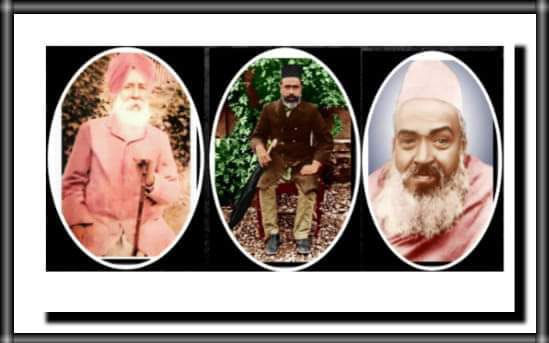
Huzoor Maharaj — the radiant master of Raipur (1838–1907)
या इलाही तीरे वहदत से मुझे मज़रूह कर,
फज़्ल अहमद खां इमामुल अस्फ़िया के वास्ते।
Chhote Dada Huzoor — spiritual successor at the Aastana
या ईलाही साफ कर सीना मेरा हर चीज़ से,
शाह विलायत हुसैन ख़ाँ पुरज़िया के वास्ते।
Custodian of the Aastana Shah-e-Vilayat, Raipur
या ईलाही जिक्र अपना मेरे दिल में दे बसा,
मौलवी शाह गफ्फार हुसैन बासफ़ा के वास्ते।
This silsila represents the spiritual transmission that flows through the hearts of the masters — a living connection to the Divine Source.
Huzoor Maharaj possessed the rare ability to transmit spiritual grace directly from heart to heart. He spent extensive time in deep meditation, and those who sat in his presence often found their inner condition elevated — not through words or instruction, but through the silent flow of the master's own spiritual state.
Constant remembrance of the Divine and deep contemplative meditation formed the twin pillars of practice. Seekers were guided to turn inward — not through elaborate rituals, but through the silent stillness of the heart, where the Divine Presence dwells within every soul.
The path taught by Huzoor Maharaj was a complete system of inner refinement — rooted in awareness of every breath, mindfulness in every step, and continuous remembrance of the Divine throughout the activities of daily life. Not a withdrawal from the world, but a way of being fully present within it.
Huzoor Maharaj taught that "religions are many but their essence is one — to gain spirituality." He shared spiritual practices with seekers of all faiths without discrimination, and would quietly leave any gathering where someone criticized another's religion.
Huzoor Maharaj refused offerings and would not allow disciples to touch his feet. Instead, he served those who came to him with his own hands — embodying the principle that true spiritual greatness expresses itself through selfless service, not through displays of authority.
Huzoor Maharaj entrusted his complete spiritual legacy to the disciple he recognized as most fit to carry it forward — regardless of outward faith. For one who had arrived at the source from which all religions spring, such distinctions simply did not arise.
Param Sant Mahatma Shri Ram Chandra Ji Maharaj, lovingly known as Lalaji Maharaj (2 February 1873 – 14 August 1931), was born in Fatehgarh, Uttar Pradesh. A Hindu by birth, he was drawn to Huzoor Maharaj by the irresistible pull of spiritual destiny — and Huzoor Maharaj recognized in him the capacity to carry forward the entire spiritual legacy of the Naqshbandiyya silsila.
For one who had realized the highest truth — the one reality from which all religions draw their fragrance — the question of a disciple's outward faith simply did not arise. Huzoor Maharaj recognized in Lalaji a vessel fit to carry the divine current forward, and transmitted his complete spiritual knowledge and authority to him. What the world saw as an extraordinary act of interfaith generosity was, for Huzoor Maharaj, simply the natural consequence of having arrived at that station where all distinctions of creed dissolve in the ocean of the One.
After completing his spiritual training, Lalaji Maharaj became a realized master in his own right. He refined and simplified the ancient Naqshbandi meditation practices, centering them on the heart and making them accessible to householders living ordinary lives in the world. Through his disciples, several spiritual movements arose that continue to nourish seekers across the globe today.
At their core, all of these traditions carry forward the same essence inherited from Lalaji — and through him, from Huzoor Maharaj: meditation on the heart as the seat of the divine, the direct transmission of spiritual energy from master to seeker, a simplicity of method that requires no renunciation of worldly life, and the unwavering conviction that the highest spiritual realization is the birthright of every sincere soul — irrespective of religion, caste, or station in life.
For one who had realized the highest truth, the question of a disciple's outward faith simply did not arise. Huzoor Maharaj saw in Lalaji a vessel fit to carry the divine current forward — and transmitted his complete spiritual authority to him, as naturally as a river flows to the sea.
Param Sant Mahatma Raghubar Dayal Ji Maharaj, known to all as Chachaji Maharaj (7 October 1875 – 7 June 1947), was the beloved younger brother of Lalaji Maharaj. Like his elder brother, he was a disciple of Huzoor Maharaj and later received spiritual training under Lalaji Maharaj himself.
A Sufi saint in his own right, Chachaji Maharaj carried the mission forward after the passing of Lalaji Maharaj in 1931, imparting spiritual knowledge to all who came into the fold of Sant Mat. He later settled in Kanpur, where he continued working for the spiritual upliftment of seekers and the service of the needy until his final departure.
Together, the two brothers carried the light of Huzoor Maharaj's grace into the world — Lalaji as the master who transmitted the spiritual current to future generations, and Chachaji as a devoted presence who sustained and nurtured the spiritual work. Their bond as brothers on the worldly plane mirrored their companionship on the spiritual plane — two vessels filled from the same divine source.
After Lalaji Maharaj's passing, Chachaji Maharaj carried the mission forward — imparting spiritual knowledge through Sant Mat and serving seekers in Kanpur until his own final departure in 1947.
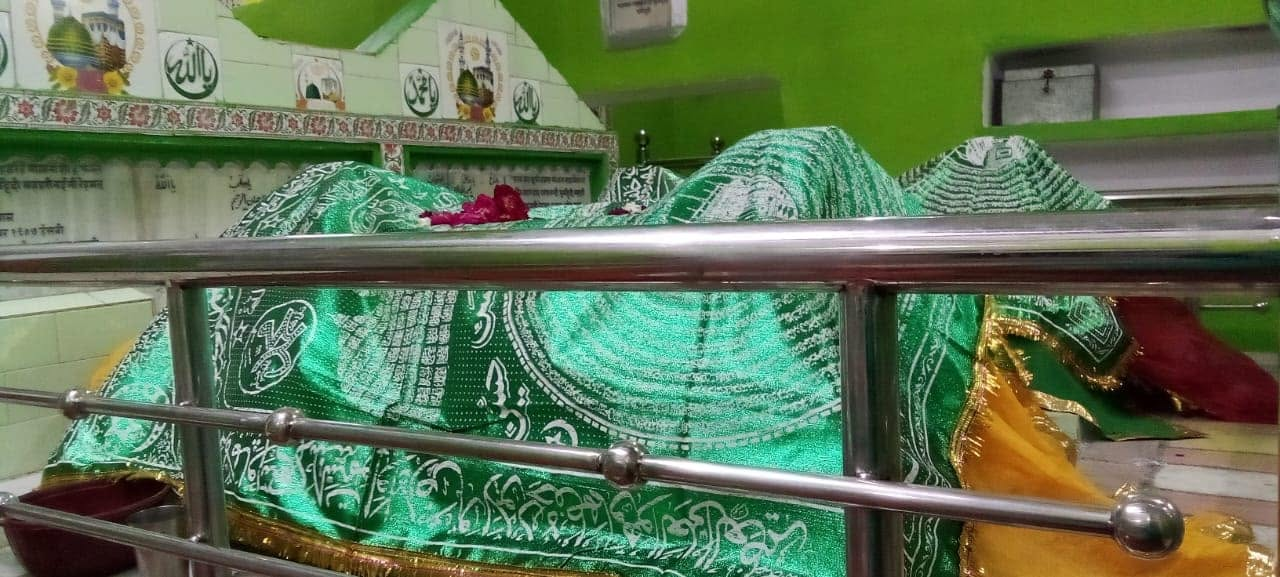
The Dargah of Huzoor Maharaj is located in the village of Raipur Khas, Tahsil Kayamganj, District Fatehgarh, Uttar Pradesh — the very land where this great saint lived, taught, and returned to his Lord on 30 November 1907.
For generations, seekers and devotees have journeyed to this sacred shrine to pay their respects and seek the continuing spiritual blessings (barakat) that emanate from the resting place of a realized saint. In the Sufi tradition, a Dargah is not merely a tomb — it is a living spiritual center where the saint's presence continues to bestow grace upon sincere seekers.
The atmosphere of the Dargah carries a palpable serenity — a stillness that speaks of the saint's continued spiritual presence. This is the same ground where Huzoor Maharaj, the ascetic madarsa teacher who refused all offerings and served his disciples with his own hands, spent his days in deep meditation and remembrance of the Divine.
The Dargah serves as a gathering point during annual commemorations (Urs), when devotees of all faiths assemble to honor Huzoor Maharaj's legacy — true to the saint's own teaching that religions are many but their essence is one.
Dargah Huzoor Maharaj
Raipur Khas
Tahsil Kayamganj, District Fatehgarh
Uttar Pradesh 202133, India
By Rail: Fatehgarh Railway Station is the nearest railhead, well-connected to major cities including Lucknow, Kanpur, and Delhi.
By Road: Fatehgarh is accessible via NH-91. The Dargah is a short journey from the town center.
Visitors are requested to maintain an atmosphere of reverence and quiet contemplation. Please dress modestly and remove footwear before entering the sacred precincts. All are welcome regardless of faith or background.
The annual Urs (commemoration) of Huzoor Maharaj is observed with spiritual gatherings, prayers, and dhikr. Devotees from near and far assemble to honor the saint's memory and receive spiritual blessings.